
EOSC EDEN does iPRES 2026
iPRES is always a great conference and this year’s event in Copenhagen didn’t disappoint!
Having blogged this time last year about EOSC EDEN and the Core Preservation Processes (CPPs), it was great to see this work being presented at iPRES. This included a workshop on the Monday and a full paper in the main conference on the Thursday. It’s amazing how far the CPPs have come with both machine and human readable versions now fully open to the community for both comment and input. Everything is public on github, everything is open and everything is free to use under CC0 licensing. All the CPPs are rooted in a single version of truth using XML which is then used to generate renditions in Markdown, PDF and HTML for easy access. Anyone is invited to discuss the CPPs and suggest improvements or submit suggestions for changes using pull requests – and if using github isn’t your thing then you can just fill in a form if that’s easier. It’s great to see how what was started in EDEN is now a community resource for everyone to use and contribute to.
But EDEN at iPRES didn’t stop at the CPPs. EDEN was part of the iPRES BakeOff, which is simultaneously an opportunity for anyone who’s developed a tool or system that helps with digital preservation to show off their wares and an opportunity to rise to the occasion of cooking up an all you can eat buffet of baking related puns (or should that be buns) and wear chef’s hats! EDEN presented the File Format Identification Service which is a freely available open-source tool for file format identification that combines Siegfried, Google Magika and Apache Tika and links identified file formats to external registries such as PRONOM. It would be remiss of me not to highlight that Arkivum was in the BakeOff too. Jack Leitch presented some delicious new capabilities in our solution for doing data analytics inside of our archiving and preservation system (not part of EDEN, but still very tasty).
For my part in EDEN, I was really interested in how the use of machine-readable ontologies can help organisations fulfil the OAIS Information Model, especially describing the structure and semantics of the content that needs to be preserved. Docuteam did a really interesting presentation of how RiC-O and PREMIS can be combined to meet the needs of the OAIS information model. RiC-O is short for Records in Context Ontology, which is from the International Council of Archives (ICA) and describes archival records, and PREMIS, which describes preservation metadata and is also available in ontology form. Together they go a long way in fulfilling the Representation Information and Preservation Description Information (PDI) aspects of the OAIS Information Model, including how content can be structured and organised, which in OAIS is described using Information Objects. I’ve been looking at a related area of how the OAIS Information Model can be formalised as an ontology using RDF and JSON-LD so that the content (files and metadata) in a wide range of existing package formats (e.g. OCFL, Bagit, E-ARK, RO-Crate etc.) can be labelled with specific OAIS Information Model concepts, for example so it’s possible to see what’s in there through an OAIS lens. The key thing for me is letting people use whatever packaging format and standards they are comfortable with and best fit their needs. The OAIS ontology can then be used to pepper these packages with additional OAIS semantics in an additive and non-disruptive way in order to provide further information on the package contents. It’s early days with initial work available on github through the EDEN project, including both an OAIS ontology and some examples of how to apply it to AIPs in various packaging formats. It was also great to catch-up with David Giaretta of OAIS fame at iPRES and talk over this work – it turns out that he’s been working on an RDF turtle version of the OAIS Information Model too, so we agreed to compare notes! It’s great to collaborate with people in the OAIS team so we are all aligned and can work together. More broadly my main take-away is that the world continues to move towards using ontologies that formalise semantics when describing content that needs to be preserved and used in the future – and that’s a really good thing. That’s not say it’s new idea: RiC-O and PREMIS in OWL have been around for a while and in other domains such as FAIR research data we’ve got approaches such as RO-Crate. But finding ways to combine these efforts in a way that aligns to a machine-readable OAIS model is a more recent activity and something we’re working on in EDEN.
I’ve talked lots about EDEN at iPRES and not much about everything else at the conference. Far too much great stuff to cover here! But some quick shout outs to finish off. The first shout out is to UNHCR and the excellent session on Humanitarian memory in danger: Addressing the digital preservation shortfall in a sector in crisis. A timely reminder to us all about the grave importance of digital preservation and the literally life-threatening challenges of the humanitarian sector. The second shout out is to the Arkivum team and the privilege we all had to talk to so many interesting people and to learn so much. And the final shout out is to the iPRES organising team who did such a great job and enabled iPRES to be a hugely enjoyable, educational and fun event!
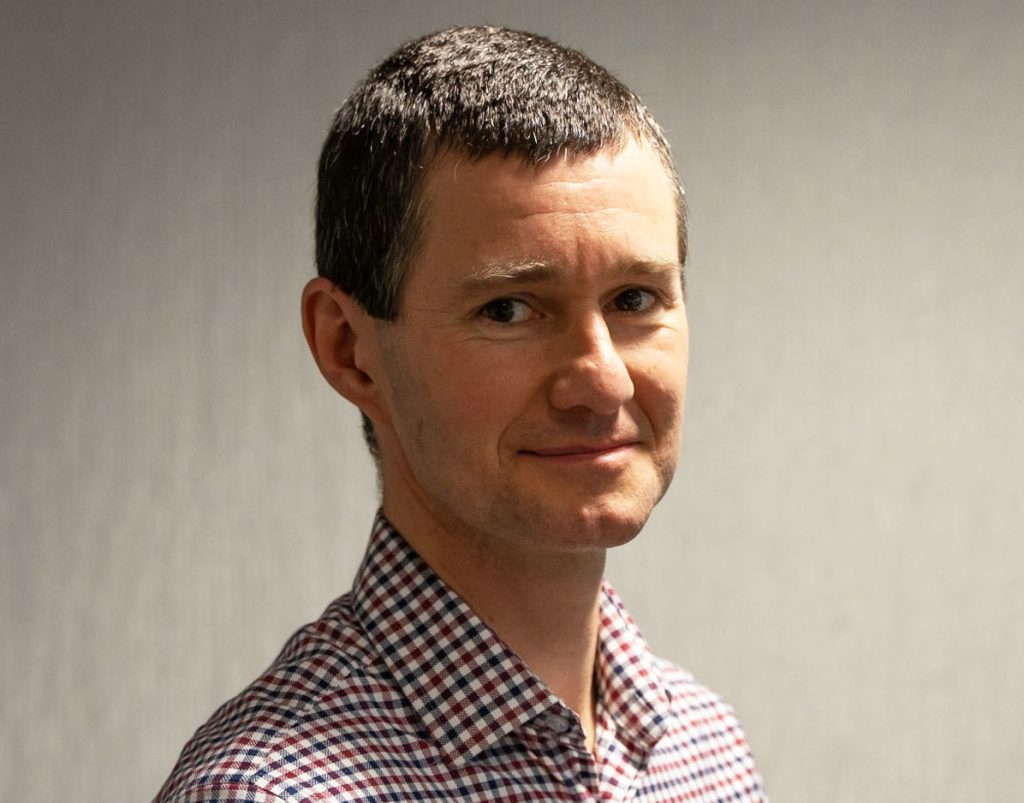
Matthew Addis
Matthew is CTO and Founder of Arkivum, responsible for technical strategy. Matthew previously worked at the University of Southampton IT Innovation Centre. Over the last fifteen years, Matthew has worked with a wide range of organisations in the UK, Europe and US on solving the challenges of long-term data retention and access.
Get in touch
Interested in finding out more? Click the link below to arrange a time with one of our experienced team members.
Book a demo